





Truck Pulling Horse Trailer Service
Explore Truck Service Offers
Schedule Towing Prep Service
Talk to the Service Team About Your Next Haul
| Sales | ||
| Day | Open | Closed |
| Monday | 8:30AM | 6:00PM |
| Tuesday | 8:30AM | 6:00PM |
| Wednesday | 8:30AM | 6:00PM |
| Thursday | 8:30AM | 6:00PM |
| Friday | 8:30AM | 6:00PM |
| Saturday | 8:30AM | 5:00PM |
| Sunday | Closed | Closed |
What Ohio Horse Owners Should Expect Before Scheduling Truck Service for a Horse Trailer Haul
When your truck is pulling a horse trailer, routine service is only part of the conversation. You need a visit that looks at the load you are planning to move, the way the trailer is set up, and whether the truck is truly ready for an Ohio haul with live cargo behind it. That raises the standard for service because a horse trailer changes how the truck works, how hard the brakes need to hold, how much strain moves through the tires and suspension, and how important it becomes to leave the service lane with clear answers instead of vague reassurance.
This is why horse trailering owners often judge a service visit by more than whether the oil was changed or a warning light was cleared. They want to know whether the service team asked the right questions, reviewed the hauling setup carefully, and explained what was checked before the truck goes back on the road. In Ohio, where a haul may involve local trips to a nearby facility or a longer route across the state, service readiness should feel structured and specific. A general truck inspection can support that process, but it should not replace a towing focused conversation when horses are part of the load.
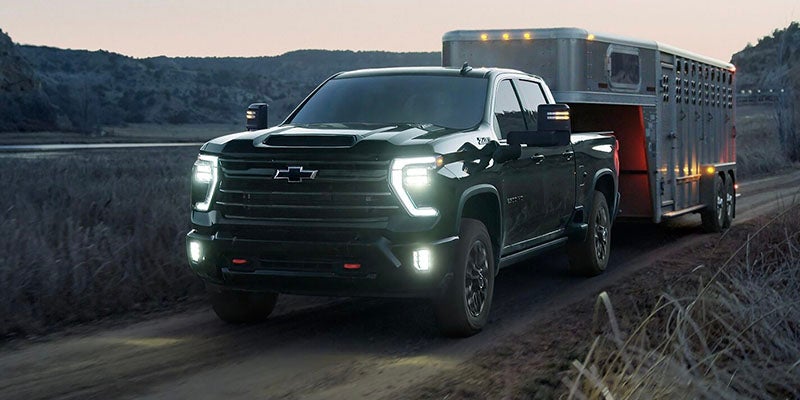
Start With the Trip, Trailer, and Load
A strong towing prep visit should begin with a fuller check in conversation than a standard maintenance appointment. The service advisor should understand whether you are pulling a bumper pull or gooseneck trailer, how many horses are usually loaded, whether you are carrying tack, feed, or water, and whether the truck has shown any signs that matter more under load, such as longer stopping distance, steering correction, transmission heat, or uneven tire wear. That information gives context to the inspection and changes what deserves the closest look.
This matters because the same truck can feel fine unloaded and still show stress once the trailer is attached. A setup that handles a local empty trailer move may not feel as stable when horses are loaded and the route includes stop and go traffic, grades, or longer highway stretches. The owner should evaluate whether the service team is asking enough detail to understand the actual haul. If the conversation stays too broad, the inspection may stay too broad as well.
Know What a Towing Readiness Inspection Should Cover
A towing readiness inspection should do more than confirm that the truck starts, idles, and passes a basic once over. It should focus on the parts of the vehicle that carry the extra burden when the truck for horses is working as a tow vehicle. That means brake condition, tire health, fluid condition, steering response, suspension wear, battery strength, trailer wiring operation, hitch connection points, and any signs of heat related stress deserve a close review before the next haul.
What the owner should evaluate is not whether every item needs service that day, but whether the inspection leads to clear conclusions. If brake pad thickness is getting close, the advisor should explain whether the truck is still suitable for the planned trip or whether service should happen first. If the tires have uneven wear, the question is not only whether tread remains. The larger concern is whether the pattern suggests load related strain that could become harder to manage with a trailer attached. When the inspection is done well, it narrows uncertainty and helps the owner separate issues that need immediate correction from items that can be scheduled later.
Understand Why Trailer Weight Changes the Service Priorities
Horse trailer weight changes the service discussion because the truck does not pull only the trailer listed on paper. It pulls the loaded trailer, the horses, the tack, the feed, the water, and everything else that joins the trip. The same is true when an owner searches for a horse hauler truck or a truck pulling horse trailer setup. The real question is whether the full loaded combination asks more from the truck than the owner has accounted for.
That is why searches about how much a two horse trailer weighs matter on a service page, not only on a shopping page. Weight changes braking distance, heat buildup, tire load demand, suspension movement, and the amount of control the driver has when traffic slows quickly or the road surface changes. The service visit should reflect that reality. A truck that is close to needing brakes, close to needing tires, or already showing heat related fluid strain deserves a different level of urgency when it is about to haul horses. Owners should listen for whether the advisor discusses the loaded picture or speaks only in unloaded terms.
Watch Tires, Brakes, and Heat Closely Before a Haul
Three areas deserve extra attention before a horse trailer trip. Tires need enough tread, even wear, correct inflation, and load suitability for the work ahead. Brakes need enough material, sound rotor condition, and a pedal feel that stays stable under repeated stops. Heat control also matters because towing places added demand on engine cooling, transmission operation, and fluid condition.
These areas matter together, not separately. A truck can have acceptable tread and still feel unsettled if wear is uneven. Brake material can remain, but repeated stopping with a loaded trailer may expose weakness that does not show up on a light unloaded drive. Heat can rise even when no warning light is active. The owner should evaluate whether the service conversation treats these items as part of one towing system rather than a list of unrelated checks.
Ask How Communication and Approval Will Work
Service trust grows when the process is clear before the work begins. A horse owner preparing for a haul should know what the shop plans to inspect, what findings will trigger a call, and how recommendations will be prioritized if more than one issue appears. That matters because towing prep can uncover decisions that are more urgent than they would be on a normal commuting truck.
The most useful update is one that explains what was found, why it matters for the next trip, and whether the truck should tow before the work is completed. A broad estimate without that context leaves too much for the owner to guess. The right service visit should give enough detail that you can decide whether to proceed with the haul, delay it for repairs, or adjust the trip plan based on what the inspection uncovered.
Decide Whether Your Truck Is Ready to Leave With Horses Loaded
Before you leave for the next haul, the final question is simple. Has the service visit reduced uncertainty, or has it only checked boxes. If the truck has been reviewed with the trailer load in mind, the findings were explained clearly, and the advisor gave direct guidance about anything that could limit towing readiness, you are in a better position to make a sound decision.
That final decision should not rest on hope. It should rest on whether the truck, the hitch setup, and the inspection results support the trip you are planning in Ohio. For horse owners, that is what a useful towing prep visit should deliver. It should make the road ahead feel more predictable because the truck was reviewed for the job it is actually about to do.
How much towing capacity do I need for a horse trailer?
You should size towing capacity around the loaded trailer, not the empty trailer. That means counting the horses, tack, feed, water, and any cargo in the truck so the tow rating and payload picture reflect the full trip.
How much does a two horse trailer weigh?
A two horse trailer can vary widely by construction, size, and setup, so the useful number is the loaded weight rather than the empty published figure. That is the weight that matters when service teams review brakes, tires, and hauling readiness.
What towing capacity do I need for a horse trailer?
The safer answer comes from building margin into the setup rather than matching the truck to the trailer too closely. A service visit can help confirm whether the truck is still in a healthy position to manage the full load you plan to tow.
What is the best hitch for towing with a Chevy Silverado 2500?
The best hitch depends on the trailer type, the loaded tongue weight, and whether the setup calls for a receiver or bed mounted solution. Before a trip, the fit and condition of that hitch setup should be reviewed as part of the towing inspection.
(Note: This article focuses on providing information about truck pulling horse trailer service prep in Ohio. For details about current service pricing, financing, or any active offers at Coughlin Auto, please reach out to our dealership team directly.)